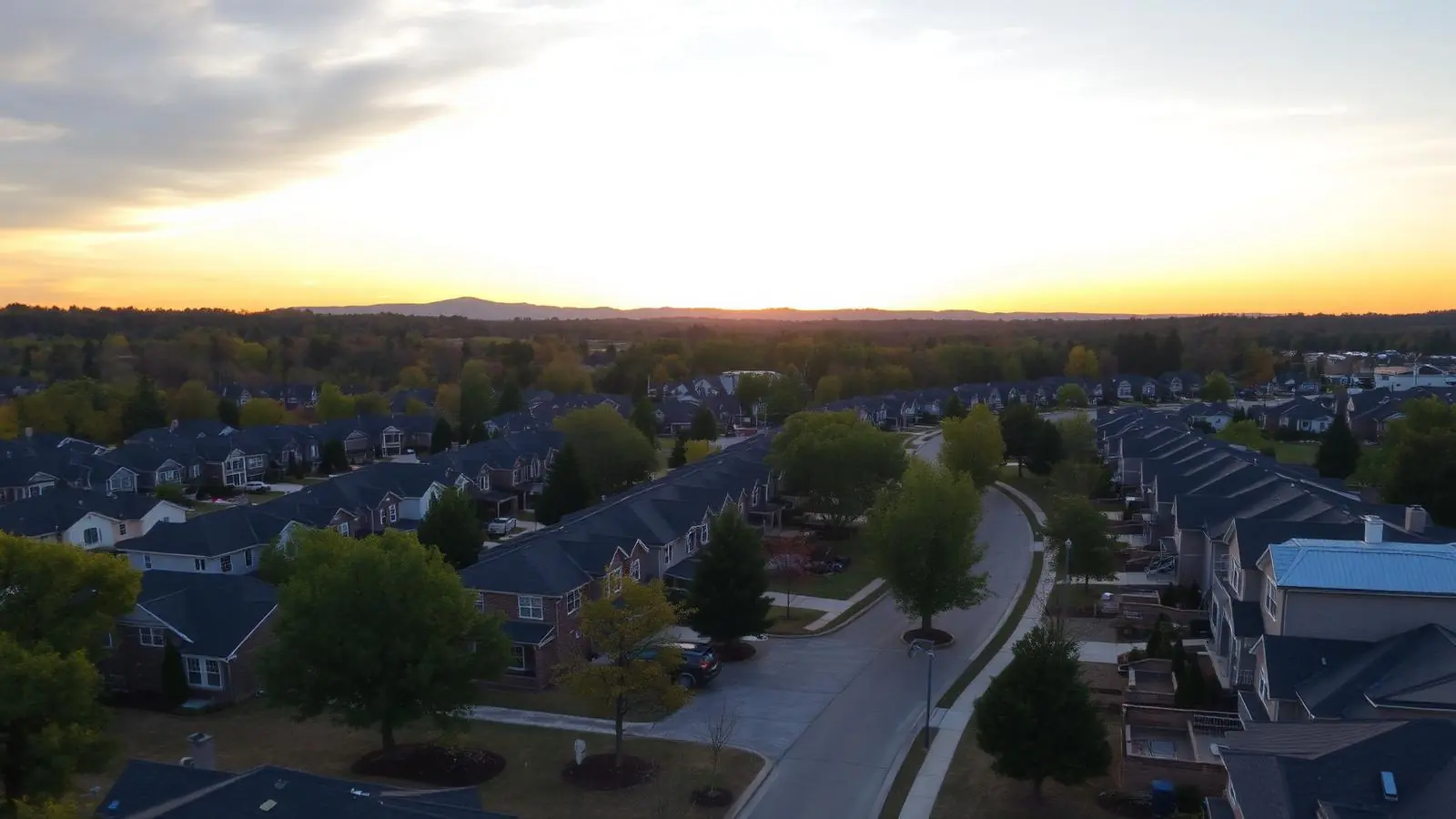
What a Georgia summer does to a sealed attic
On a 95-degree July day in Canton, an under-ventilated attic can run 150 degrees or more. That heat does three things: it bakes shingles from below and cuts years off their life, it radiates down into your living space and makes the AC run longer, and it holds humid air against the roof deck where mold and rot get started.
How ventilation is supposed to work
A balanced system pulls cool air in at the soffits and pushes hot air out at the ridge. Intake and exhaust need to be roughly equal. More exhaust than intake pulls conditioned air out of your house. More intake than exhaust leaves hot air trapped at the peak.
Mixing exhaust types, like a ridge vent plus a powered fan, usually makes things worse. The fan short-circuits the ridge vent and pulls weather in through it.
Signs your attic is cooking
Upstairs rooms that never cool down in summer.
Shingles curling or aging faster than they should.
Frost or damp staining on attic nails in winter.
A musty smell in the attic after rain.
AC bills that climb every year with no other explanation.
The warranty angle most homeowners miss
Every major shingle manufacturer requires adequate ventilation for the warranty to apply. If a shingle fails early and the attic is under-ventilated, the claim gets denied, no matter what the shingle did. When we install a roof, we measure and balance the ventilation as part of the job, because it protects the roof and the warranty at the same time.
Want a Straight Answer About Your Roof?
We inspect roofs across Canton and Cherokee County every week. Get a free, no-pressure inspection and know exactly where your roof stands.