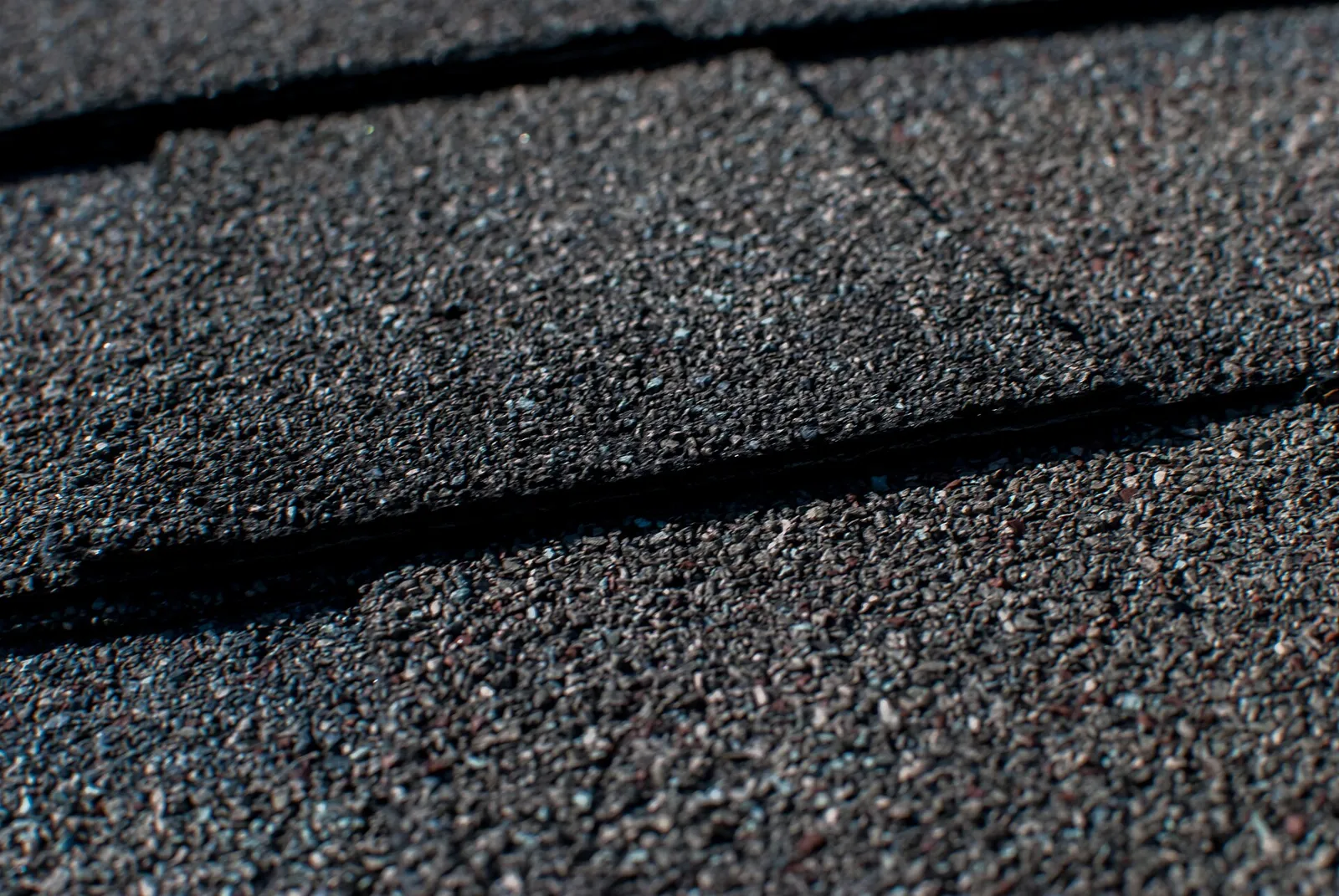
Header photo: Shadowmeld Photography, CC BY-SA 4.0, via Wikimedia Commons
Why the questions matter more than the price
A roof is one of the biggest checks most homeowners ever write, and you usually only buy one or two in your life. Most people have no idea what separates a good roofer from a bad one until something goes wrong.
Two estimates can look close on paper and be completely different jobs. One might include new underlayment, flashing, and ventilation work. The other might cover old problems with new shingles. Asking the right questions up front is how you find out which one you are actually getting.
1. Are you local, and where can I find you?
After a big storm rolls through Canton, Woodstock, or Kennesaw, out-of-state crews often show up knocking on doors. Some do fine work. The problem is what happens a year later when a leak shows up and the company is gone.
Ask where they are based, how long they have worked in the area, and how you reach them if something goes wrong after the job. A local phone number that a real person answers is a good start.
2. Can I see proof of insurance?
A roofer should carry general liability insurance and workers' compensation coverage for their crew. If someone gets hurt on your roof and the contractor is not covered, you do not want to be the one sorting that out.
Ask for a certificate of insurance and call the insurance company listed to confirm the policy is active. A good roofer will not be bothered by this. It is a normal request.
3. Do you need a license or permit for this job?
Rules can depend on the type and size of the job and the city or county you live in. Ask the roofer whether the work needs a permit and who pulls it. In most cases the contractor should handle permits, not the homeowner.
If they tell you a license applies, ask for the number and look it up. If they suggest skipping a required permit to save time, that is a red flag.
4. Will I get a written estimate with the details?
A real estimate spells out the work: tear-off or overlay, the shingle brand and line, underlayment, drip edge, flashing, pipe boots, ventilation, and cleanup. It should also say what happens if the crew finds rotten decking once the old roof comes off.
The Federal Trade Commission recommends getting written estimates from more than one company and not starting work until you have reviewed and signed a written contract. Vague one-line quotes make it hard to compare and easy to get surprised later.
5. What warranties come with the roof?
There are usually two kinds. The manufacturer warranty covers the shingles and other materials. The workmanship warranty covers how the roof was installed, and that comes from the contractor.
Ask how long each lasts, what they cover, and whether you get them in writing. A workmanship warranty is only as good as the company standing behind it, which loops right back to question one.
6. How will you protect my home and yard?
Tearing off a roof makes a mess. Ask how they protect landscaping, AC units, decks, and driveways, and how they pick up nails afterward. A magnetic sweep of the yard and driveway should be standard.
Also ask what happens if it starts raining mid-job. Georgia weather can turn fast, and the crew should have a plan to keep your home dry.
7. Who will actually be on my roof?
Some companies use their own crews. Others sell the job and hand it to a subcontractor. Neither is automatically bad, but you should know who is doing the work and who is in charge on site.
Ask who you call during the job if you have a question, and whether someone checks the work before the crew leaves.
8. Will you inspect the attic and ventilation?
A lot of roof problems start under the shingles. Poor attic ventilation can cook shingles from below in a Georgia summer and lead to moisture problems in winter. Soft or damaged decking needs to be fixed before new shingles go on.
A roofer who only looks at the roof from the driveway is guessing. A good inspection checks the attic, the decking, and the flashing around chimneys, walls, and vents.
9. How does payment work?
Ask how much is due up front, when the rest is due, and what forms of payment they take. Be careful with anyone who wants most or all of the money before work begins, or who only takes cash.
Get the payment schedule in the contract. The FTC lists asking for everything up front or only taking cash as common signs of a home improvement scam.
10. Can you help with my insurance claim?
If storm or hail damage is involved, ask whether the roofer has experience documenting damage and meeting with insurance adjusters. Photos, measurements, and a clear scope of work make the process smoother.
Be cautious of anyone who offers to waive or cover your deductible. That can create real problems with your insurance company. An honest roofer will help you document the damage and leave the claim decisions between you and your insurer.
Red flags to watch for
Door knockers right after a storm pushing you to sign today. Prices that are way lower than everyone else with no explanation. No written contract. No proof of insurance. A company you cannot find online or with no local reviews.
None of these prove someone is a bad roofer, but if you see more than one, slow down and get another opinion.
Get a straight answer from a local crew
We serve homeowners across Cherokee, Cobb, and Pickens counties, including Canton, Woodstock, Holly Springs, Kennesaw, Acworth, and Jasper. Ask us any of these questions. We will give you a free inspection, a written estimate, and honest answers, even if the answer is that your roof just needs a small repair.
Related Roofing Help
Sources
Want a Straight Answer About Your Roof?
We inspect roofs across Cherokee, Cobb, and Pickens counties. Get a free, no-pressure inspection and know exactly where your roof stands.